Lobster Pickle Two Review
Consensus score
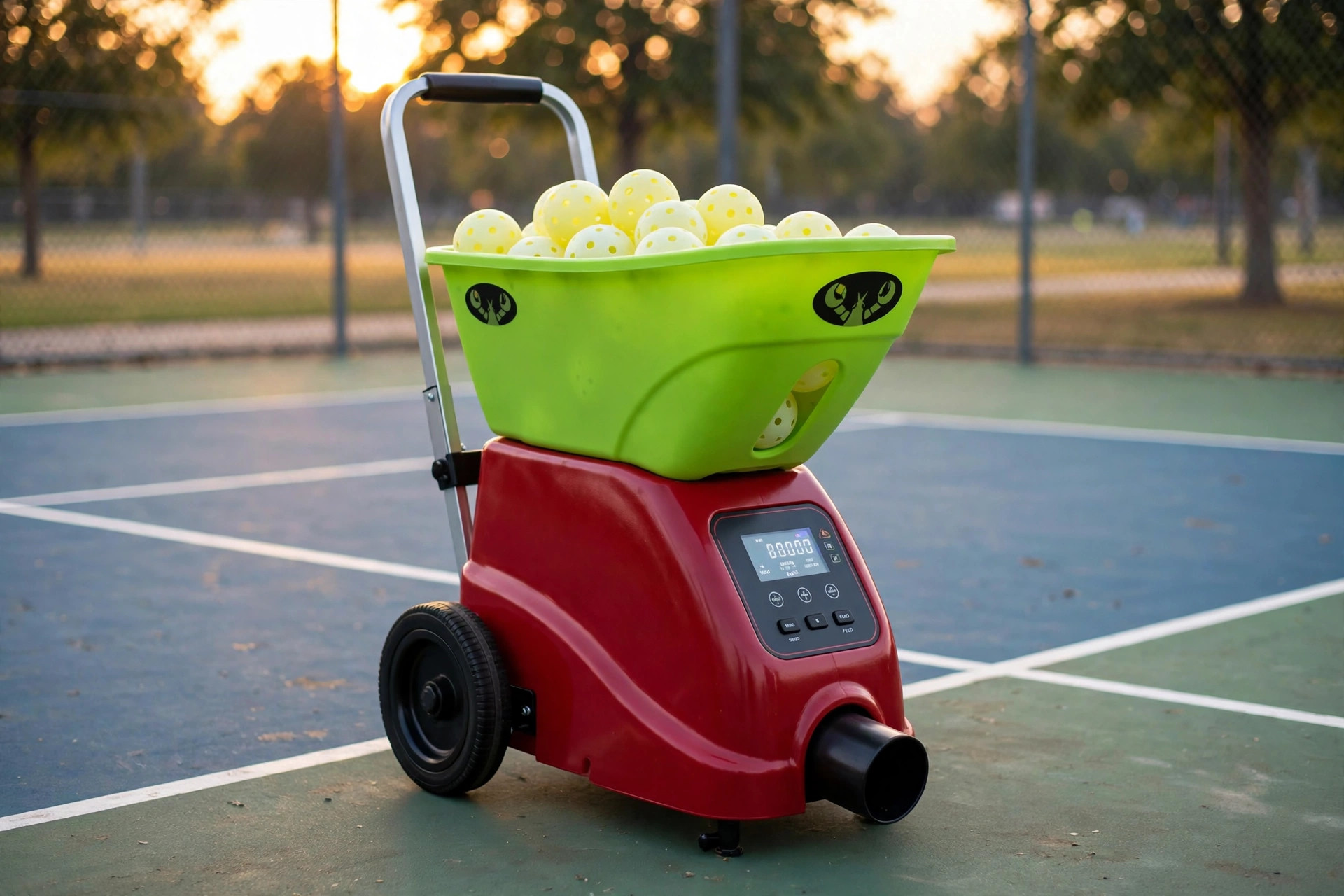
The most detailed ball machine comparison of 2026 ends with a sentence, not a chart: most players should buy this one. The pickle two is the cheapest machine that does topspin and backspin, random and 2-line oscillation, and ships with a ten-function remote in the box. One hundred twenty-five balls, up to 60 mph, electronic elevation, and a battery that runs six to eight hours. At $1,599 it is $460 more than the base pickle, and every dollar of it is doing something.
We may earn a commission when you buy through links on this page. Our rankings are never influenced by commissions or brand partnerships. Consensus score 87/100 (Very Good) — aggregated Oct 2026 from expert and owner reviews — how we rank.
The consensus verdict
Best for
The buyer who wants the comparison winner and nothing else. Two-line drills for forehand/backhand grooves, a battery that outlasts your legs, and a remote that actually controls the machine. If one machine has to cover a household or a drill group, this is the consensus pick.
Not for
Weight-sensitive buyers: 42 pounds is the heaviest in the tier. Also not for app people. There are no programmed drills here, no phone control. That is the champion or the app machines, at $2,000 and up.
Consensus 87/100 · Very Good
Weighted from the Oct 2026 comparison roundup that names it the pick for most players, Lobster's owner reviews (4.7 stars across 15 reviews), and long-term forum reports. Feature completeness per dollar is the consensus standout; weight and occasional jams are the caveats.
Specs
| MSRP | $1,599 (street pricing varies; deals surface regularly) |
|---|---|
| Weight | 42 lbs; folding handle and 8-inch wheels |
| Ball capacity | 125 pickleballs |
| Ball speed | 20–60 mph |
| Ball feed | Adjustable feed rate |
| Spin | Heavy topspin through flat to heavy backspin |
| Oscillation | 2-line plus random horizontal |
| Elevation | Electronic |
| Battery | Rechargeable, 6–8 hours per charge |
| Remote | Elite 10-function remote included |
| Origin | Made in USA; drop-ships from manufacturer |
| Warranty | 2 years |
Specs from Lobster Sports and retailer listings. First charge can take up to 10 hours per owner reports; plan ahead.
What reviewers agree on
Strengths
- The comparison winner. The most thorough head-to-head of 2026 lands here for most players: the cheapest machine combining topspin and backspin, random and 2-line oscillation, and a real remote in the box. When the people who test everything agree, that is the review.
- Two-line oscillation changes practice. The ball alternates between two preset spots, forehand then backhand, or two players drill opposite sides. Random oscillation keeps you honest; 2-line builds the groove. Having both is the step up that matters.
- Battery for days. Six to eight hours, roughly triple the base pickle. Run a morning clinic, lend it to a friend at noon, drill again at night. Battery anxiety is not a thing owners mention.
- The remote is included and it is good. Ten functions from your side of the court. Sports Tutor charges $200 for two functions. This keeps coming up in comparisons because it keeps being true.
Weaknesses & caveats
- Forty-two pounds of commitment. The wheels and handle help, but this is furniture that rolls. Daily trunk duty gets old, and older players feel it. The Tutor Plus is 8 to 15 pounds lighter for a reason people pay for.
- Occasional ball jams. A few long-term owners report jams, usually fixed by cleaning the throwing wheels and running consistent balls. Not a dealbreaker, but it is the most repeated complaint in owner reviews.
- The wheels discolor. The white throwing wheel picks up ball dye fast; owners report it going red and green within a couple of sessions. Cosmetic, and a reminder to wipe down, but do not expect showroom white for long.
- No app, no programmed drills. Knobs, remote, done. The champion adds preloaded drills and vertical oscillation for $400 more; the app machines start around there too. This machine is the ceiling of the simple approach.
Synthesized from the Oct 2026 comparison roundup, Lobster owner reviews, and long-term forum reports. How we rank →
Who it's for
Who it's for
- You want the machine every comparison keeps recommending
- Two-line forehand/backhand drills are the workout you actually do
- Long sessions or shared use where battery life decides everything
Who should skip it
- Weight is the deciding factor. Look at the Tutor Plus instead
- You want app drills or vertical oscillation. That is the next tier
- The base pickle's random oscillation already covers your drills
The value question
Four hundred sixty dollars over the base pickle buys three things: 2-line oscillation, electronic elevation, and triple the battery. That is fair money for real upgrades, and reviewers treat the two as the sweet spot of the Lobster line. The sharper comparison is sideways: a Tutor Plus with the remote added is $1,519, eighty dollars less than this, with a smaller hopper, no 2-line, manual elevation, and a four-hour battery. The pickle two is simply more machine per dollar once both are honestly configured. Going up, the champion at $1,999 only earns its premium if vertical oscillation matters to you. For everyone else, this is where the Lobster line stops making sense to climb.
Where to buy
Buying through this link supports our work at no extra cost to you.
← Best ball machines by price tier · Lobster the Pickle review · Tutor Plus review · Erne review
Lobster Pickle Two FAQs
Pickle two vs base pickle?
2-line plus random oscillation, electronic elevation, and a 6 to 8 hour battery versus 2 to 4. About $460 more at list. Same spin range.
Does it jam?
Occasionally, per some owners. Keep the throwing wheels clean and run consistent balls and it stays rare.
Is 42 pounds manageable?
With the folding handle and 8-inch wheels, yes for most. It is still the heaviest machine in its tier, so test the lift if that worries you.