Best Pickleball Shoes 2026
Full disclosure: I have wide feet, and I play in heavy tennis shoes. My feet end most sessions feeling like they've been in an argument. So I did what I do for paddles: read a pile of player and expert reviews, noted which shoes keep coming up, and figured out which ones actually fit wide feet. This is the guide I wish I'd read before buying.
- Start here: Skechers Viper Court Pro 2.0: roomy, grippy, and comes in wide sizes.
- Best all-arounder: ASICS Gel-RENMA 2: true pickleball design, stable, fairly priced.
- Wide feet: buy actual wide sizes (2E/4E), not regular shoes you "sized up."
- Ditch the heavy tennis shoes if you can. Weight and fit matter more than brand.
- Budget: Skechers Viper Court Smash. Premium: New Balance 1006v1.
Your tennis shoes are holding you back
Let's be honest about what tennis shoes are built for: a 78-foot court, long baseline sprints, and a lot of forward-and-back motion. Pickleball is a 44-foot court of short lateral shuffles, abrupt stops, and pivots. A shoe designed for the first job is heavier than it needs to be for the second, and its cushioning is tuned for heel-strike running instead of the forefoot-loaded dinking you actually do.
The three things that change when you switch to a real court shoe:
- Weight. Pickleball-specific shoes run noticeably lighter than beefy tennis models. Over a two-hour session, that's thousands of steps with less mass on each foot. Your knees notice.
- Lateral support. Running shoes are built to go forward. Tennis shoes are better than running shoes here, but pickleball shoes are built around side-to-side movement specifically, with stiffer midfoot shanks and wrap-up outsoles that keep your foot from rolling.
- Outsole design. Pickleball courts reward herringbone and pivot-point tread patterns that grip on quick cuts. Worn-down running shoe tread on a dusty outdoor court is basically a slip-and-fall with extra steps.
Tennis shoes still work in a pinch. But if you're playing regularly and wondering why your feet hurt and everyone else seems quicker, the shoes are a real part of the answer.
What to look for in a pickleball shoe
Lateral support. This is the big one. Every pickleball move that matters is a side shuffle, a lunge, or a quick stop. Look for a firm midfoot (TPU shanks, TRUSSTIC-style inserts, or just a shoe reviewers call "stable"), and an outsole that wraps slightly up the sides. If the shoe feels like it wants to roll when you push off sideways, skip it.
Outsole and grip. Herringbone tread is the gold standard for court grip. It bites in every direction, which matters when your movements have no pattern. For outdoor play, harder rubber compounds last longer on concrete. For indoor wood or gym floors, make sure the sole is non-marking (your gym manager will thank you). Goodyear-branded outsoles show up on several Skechers models and reviewers rate their durability.
Weight. Court shoes range from featherweight speed models to tanks. Lighter shoes make you feel quicker and cost less energy; heavier shoes tend to cushion and support better. Most players land in the middle. If you're coming from heavy tennis shoes like me, almost anything on this list will feel like a revelation.
Cushioning and fit. EVA foam is standard and fine. Gel (ASICS), FuelCell (New Balance), and ULTRA GO (Skechers) are the branded upgrades reviewers keep mentioning. Fit-wise: your heel should lock down with no slip, and your toes should have room to splay. Cramped toes cause blisters, numbness, and short sessions.
The 7 shoes players keep recommending
These are the models that show up again and again across player reviews, expert roundups, and pro usage in 2026. We haven't personally worn every pair. This is a synthesis of what reviewers consistently say. Prices are approximate street prices and move around.
1. Skechers Viper Court Pro 2.0: The Crowd Favorite
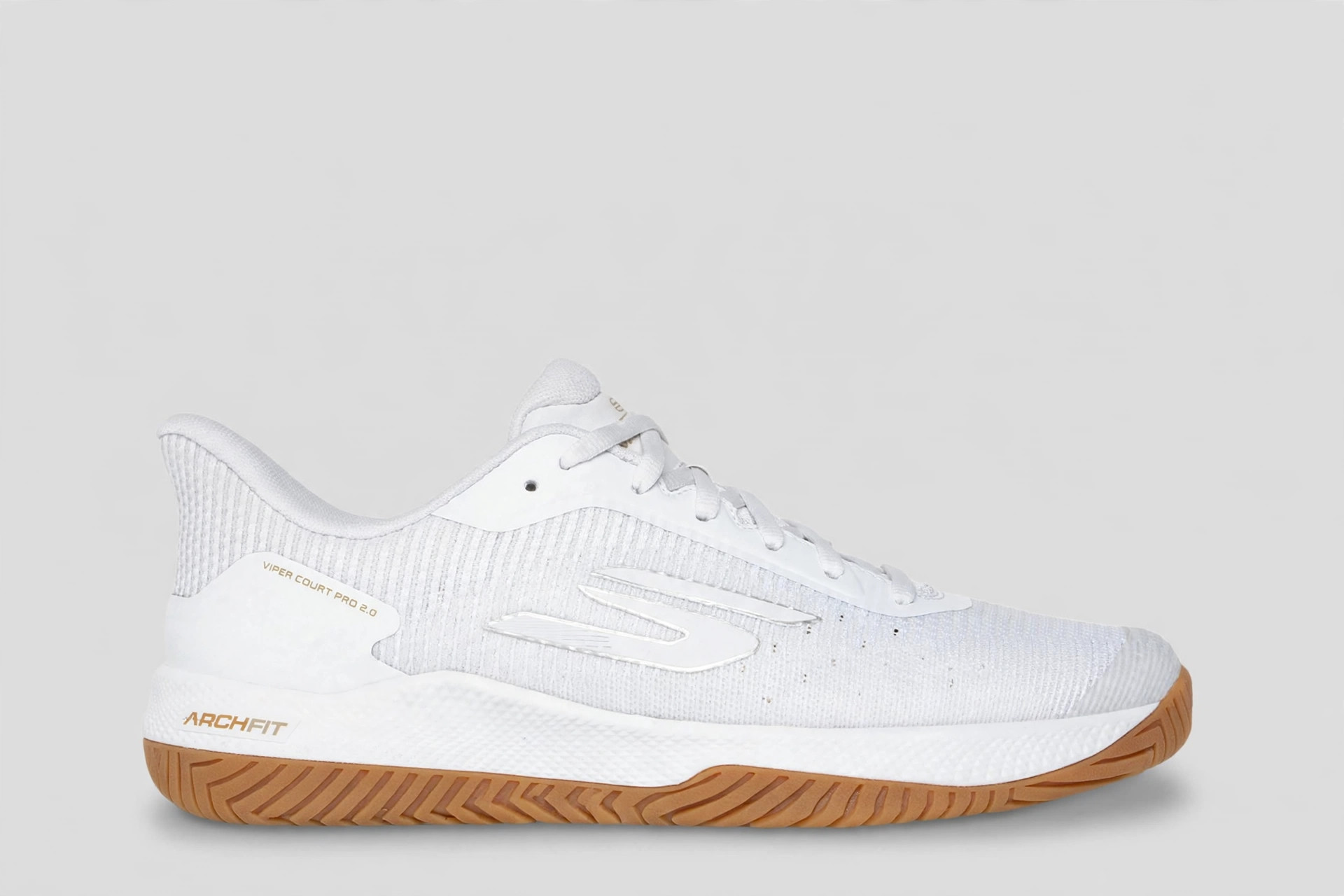
The shoe that comes up most in 2026 roundups. Players report a roomy toe box, strong grip from the Goodyear Gold Compound outsole, and comfortable ULTRA GO cushioning with podiatrist-certified arch support. It comes in standard and wide widths, which matters more than any tech spec if your feet are wide. Reviewers note good durability for the price (around $95–115 street). If you're overwhelmed and just want a safe pick, start here.
Money where my mouth is
The list here is a synthesis of what reviewers say. This part is separate: my own money, my own feet.
Our top shoe pick, so I bought them. The white ones, which means they got sprayed down with Scotchgard before they ever saw a court. It helps against court dust, or when I spill my Powerade on them (it's what plants crave). Before these I played in Asics I had to buy too long just to get the width, and my pinky toes still blistered on top. Two days in the Skechers: no blisters, they are lighter than the Asics ever were, and I move better. They might also show up on casual Friday.
2. ASICS Gel-RENMA 2: The Balanced Pick
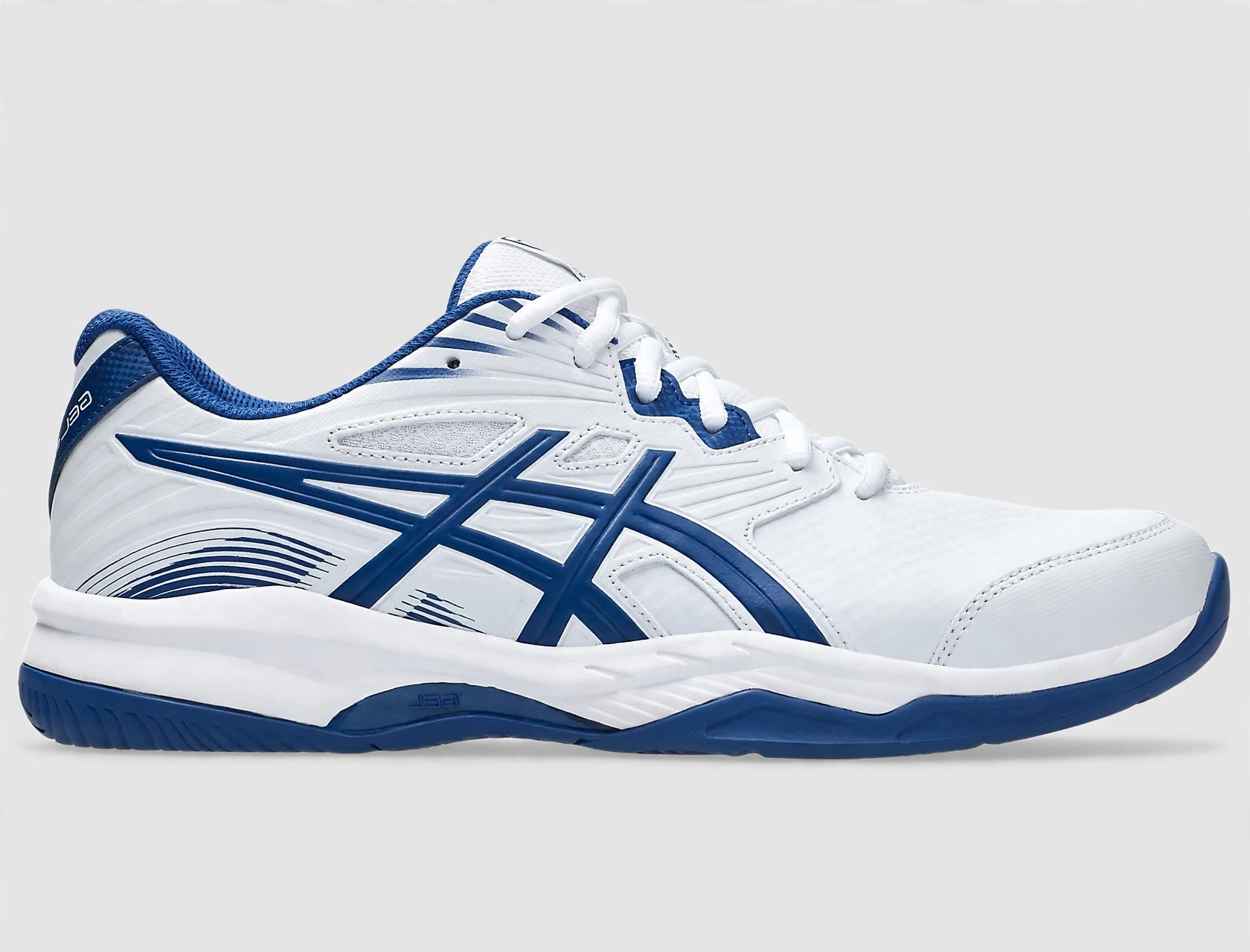
A true pickleball-native design from ASICS at a sane price (around $85). Reviewers praise the GEL cushioning, the midfoot stability from the TRUSSTIC system, and a wrap-up outsole that feels planted on lateral cuts. It runs a bit narrow, like many ASICS court shoes, so wide-foot players should try the wide version or look elsewhere on this list. Several reviewers call it the best value on a court-shoe shelf right now.
3. K-Swiss Express Light Pickleball: The Lightweight Option
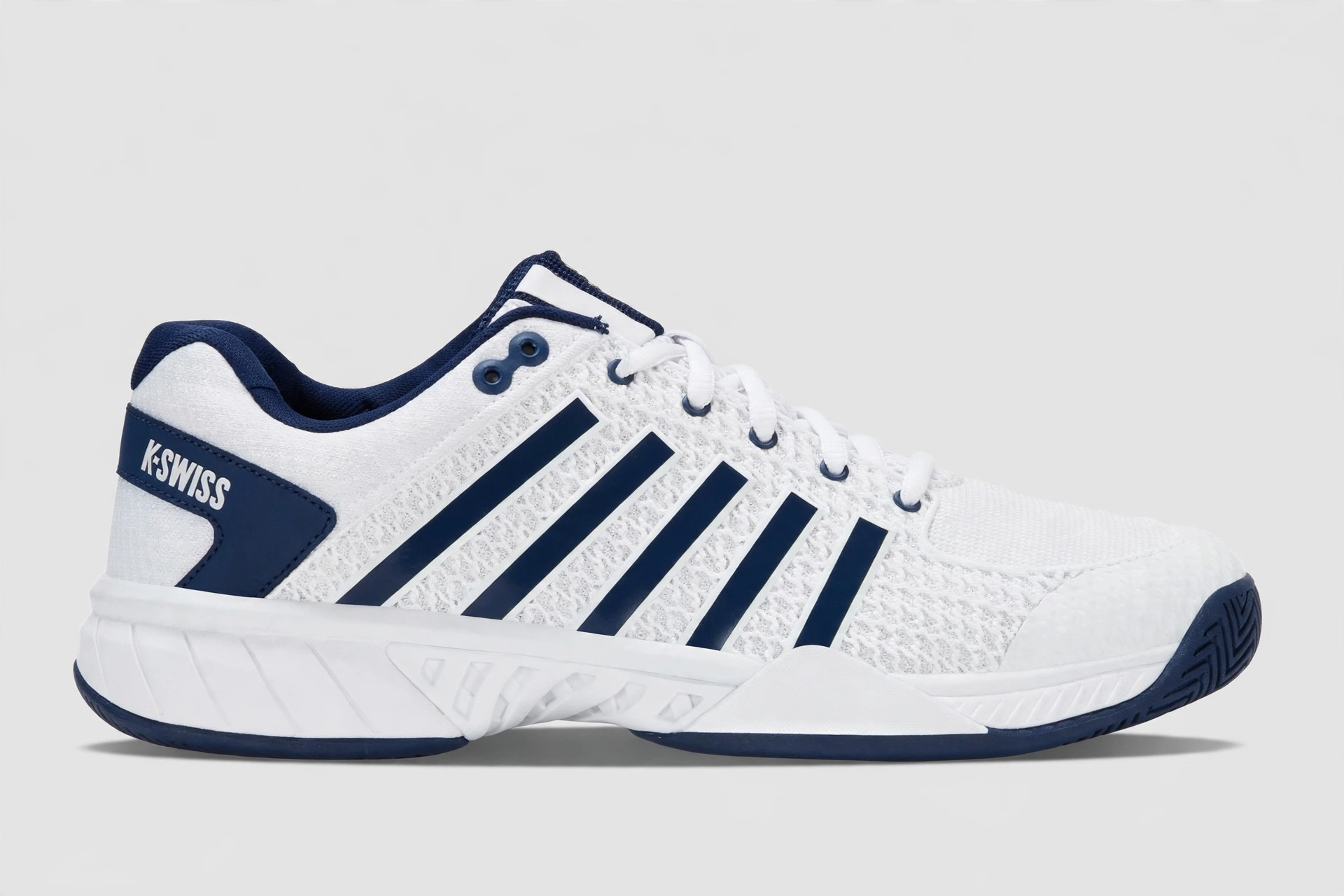
Built specifically for pickleball (not a repurposed tennis shoe), with DragGuard toe protection, DuraWrap for lateral stability, and OrthoLite cushioning. Around $100. Players say it feels fast and breathable, and it scores well with people who want minimal bulk. The tradeoff reviewers mention: on rough outdoor concrete the outsole wears faster than heavier models. Great for indoor or smooth-surface players; outdoor grinders may want something tankier.
4. New Balance FuelCell 796v5: The Wide-Friendly Performer
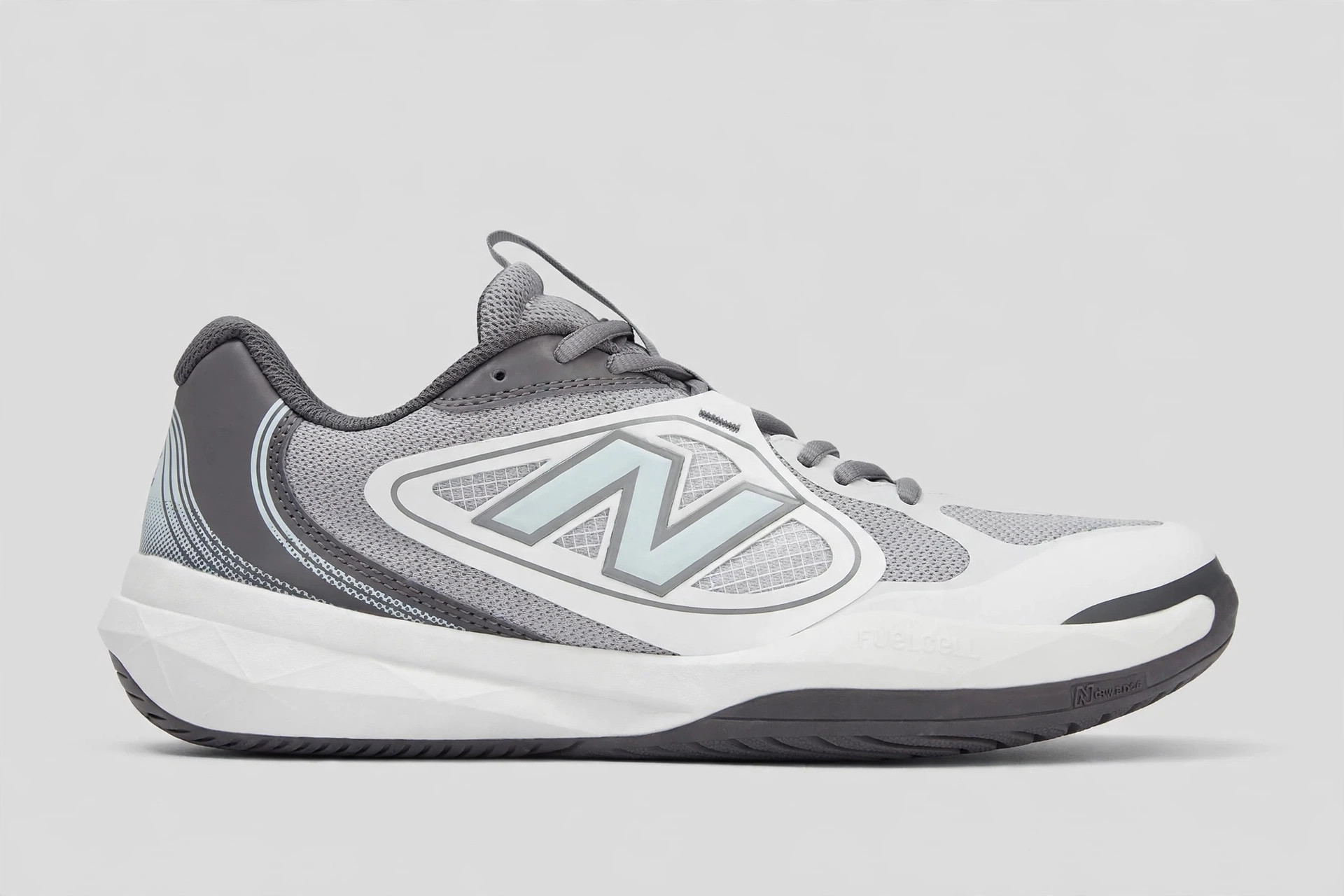
New Balance sells this in multiple widths (D, 2E), which puts it high on the wide-feet list. The FuelCell foam gives it a springy, responsive feel that reviewers like for longer sessions, and the NDurance rubber outsole holds up on outdoor courts. Around $110–120. If you want one shoe for everything and your feet run wide, this is the premium answer that doesn't require suffering.
Check price at Road Runner Sports →
5. Franklin ACV Pro: The Traction Pick
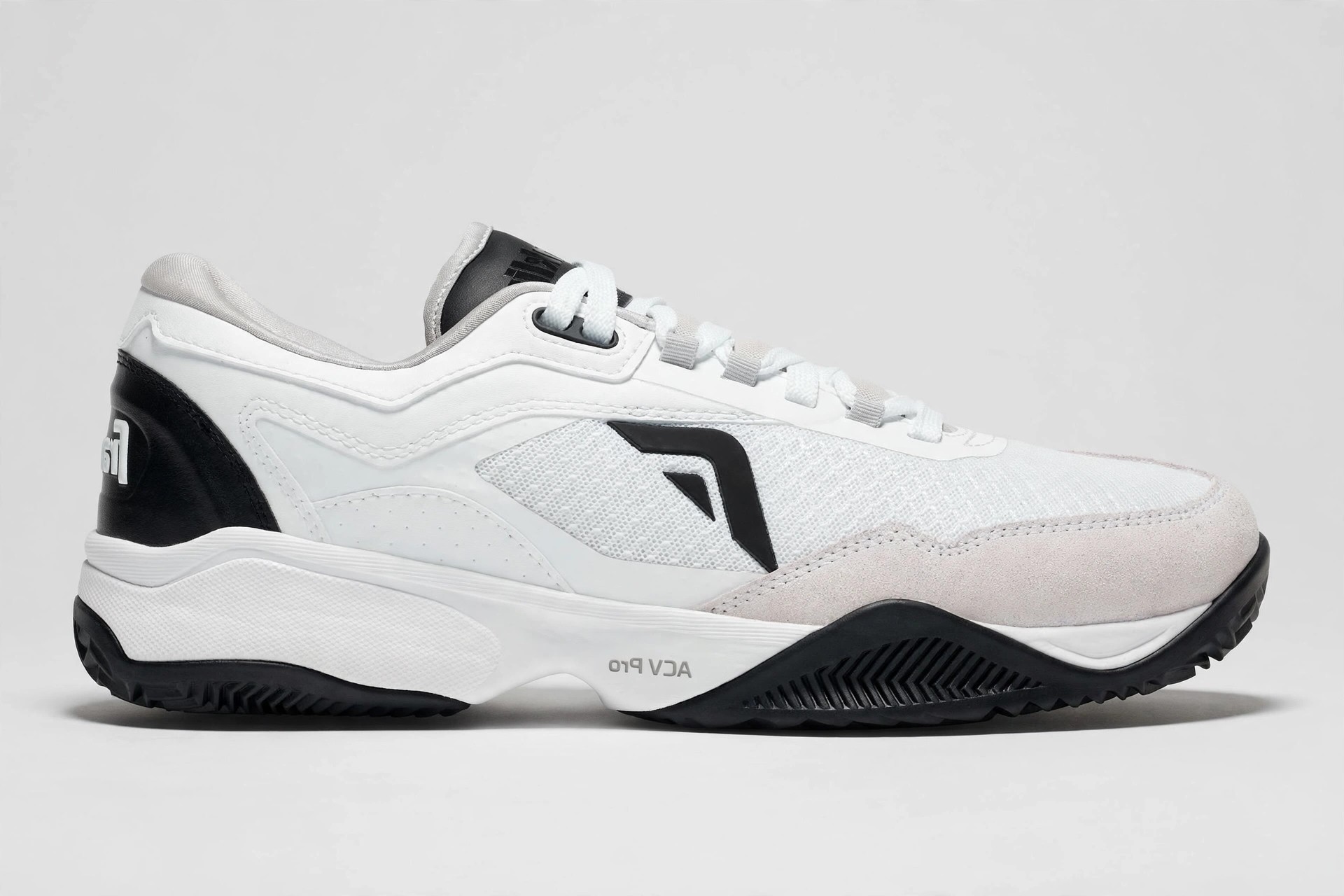
Pickleheads testers rated the ACV Pro's traction the best they'd tried, and the herringbone pattern works on both indoor and outdoor surfaces. The breathable mesh upper keeps it comfortable in summer heat. Pricing is mid-range and varies by retailer. If your game is built on explosive first steps and you want the grippiest shoe on the list, this is it.
See it at Franklin → (Franklin lists it as coming soon — not on sale yet.)
6. Holbrook Montis: The Well-Rounded Dark Horse
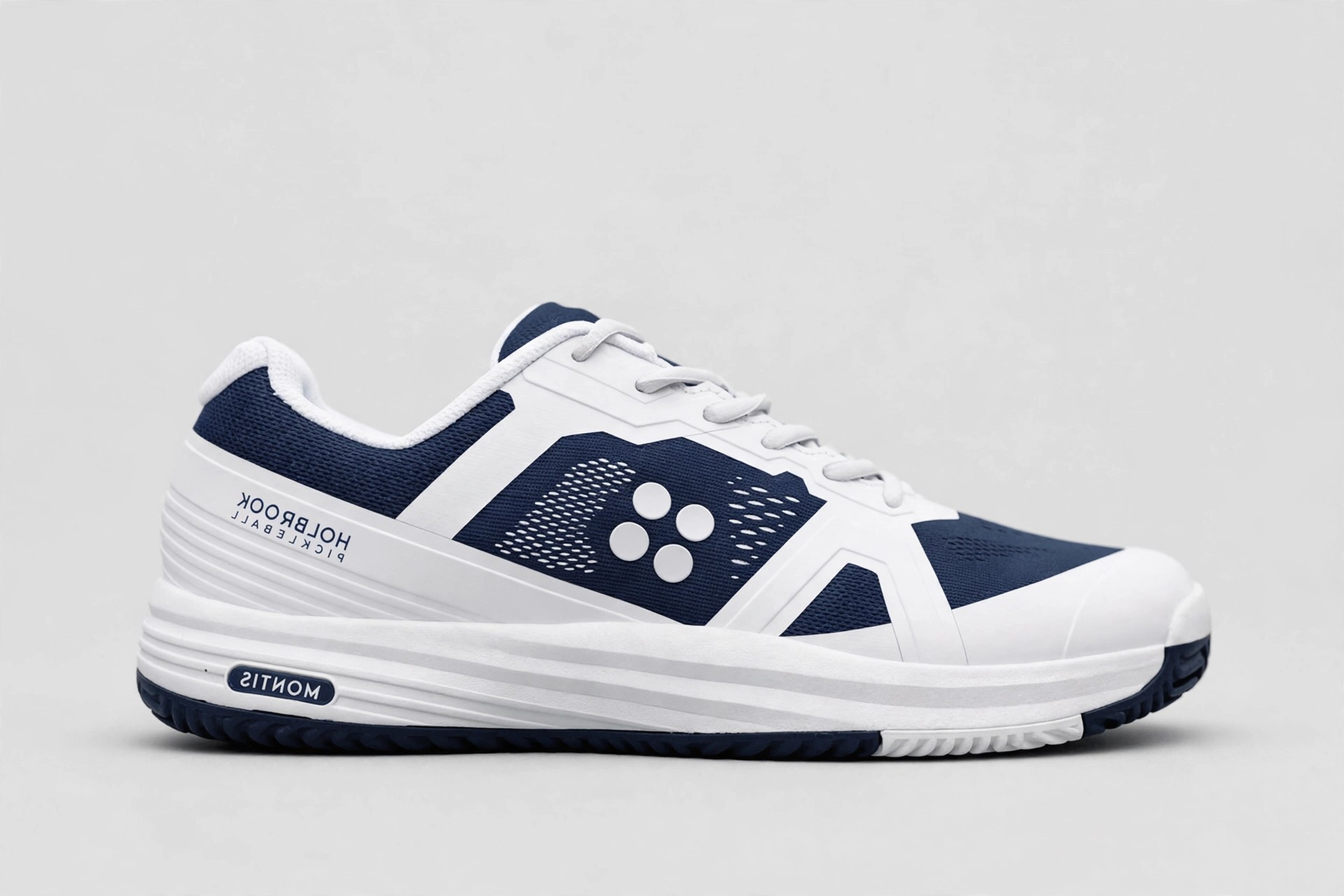
Holbrook is a paddle company first, but their Montis shoe keeps landing on 2026 roundups. Reviewers describe excellent comfort, quick acceleration, and consistent grip across different court surfaces. It's the kind of pick that doesn't top any single category but has no real weakness, which is exactly what most rec players need.
7. FitVille Wide Pickleball: The Wide-Foot Budget Play
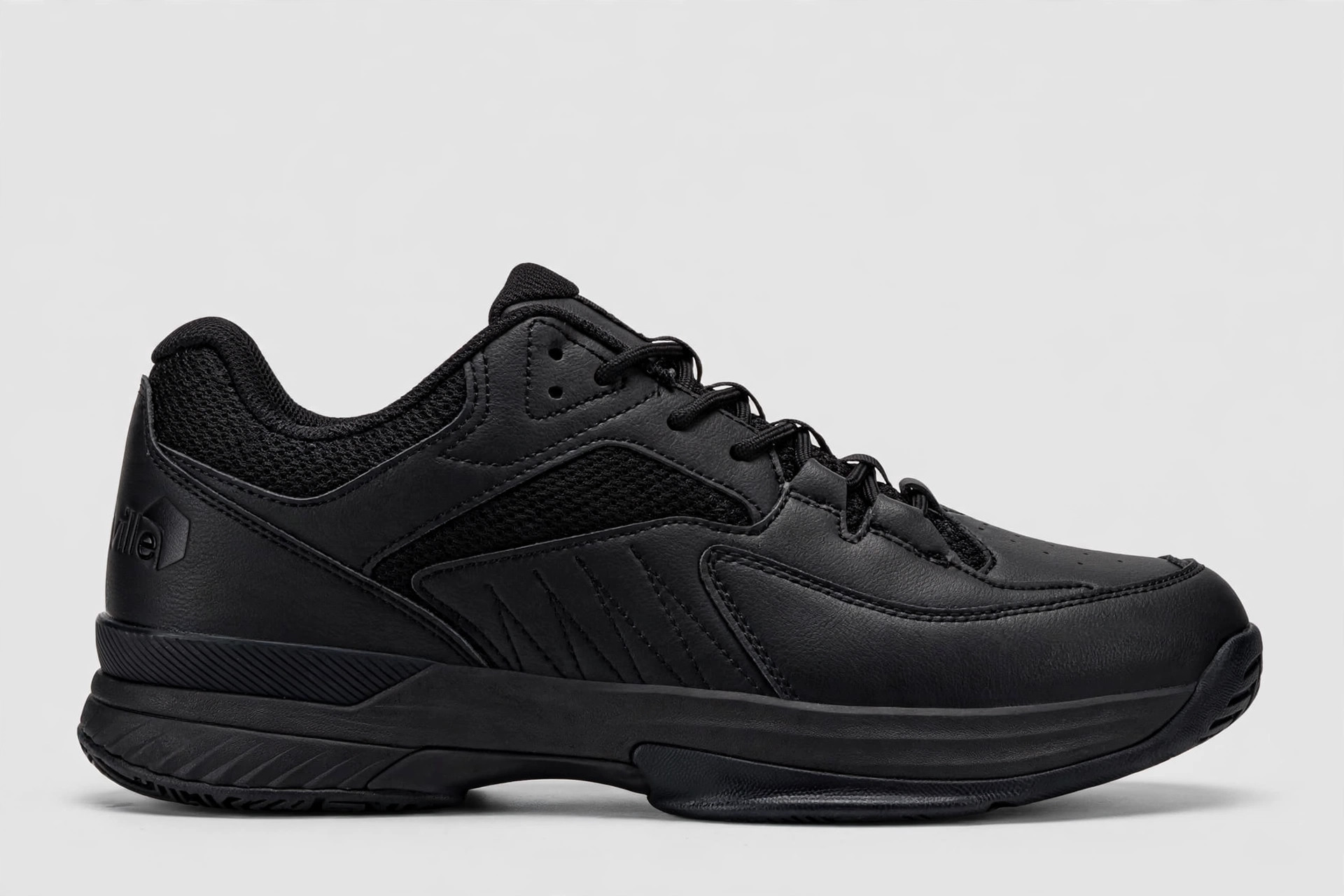
FitVille designs specifically for wide and extra-wide feet, and it shows: generous toe boxes, OrthoLite insoles, and honest comfort for long sessions. Around $70. Reviewers are blunt that these aren't the flashiest shoes on the shelf, but for wide-foot players who are tired of cramming into regular-width shoes, they're a relief at a price that makes them easy to try.
The wide-feet section (a personal matter)
Wearing narrow shoes with wide feet is a squeeze that fits, technically, and everyone suffers. Here's what actually works, from reviewers who share the affliction:
- New Balance 806v1: the wide-fit workhorse. Comes in D, 2E, and 4E widths (around $85–95). Non-marking herringbone outsole, built for long sessions. The most-recommended wide court shoe across multiple 2026 guides.
- Skechers Viper Court Pro / Viper Court Smash: available in wide (W) and X-wide versions. The Relaxed Fit design gives the forefoot room without sizing up. Reviewers with wide feet report the Smash's fit specifically as a standout.
- ASICS Gel-Dedicate 8 (Wide) and Gel-Rocket 11 (Wide): both come in 2E wide versions at budget prices (roughly $65–80). GEL cushioning, solid for all-day tournament play.
- K-Swiss Hypercourt Express 2: D and 2E widths (around $90–110). Reviewers rate its lateral support and durable outsole; a strong outdoor-court option for wide feet.
- JOOLA R4LLY: noticeably wider toe box than most performance shoes, per The Dink's 2026 women's guide. Worth checking if standard performance shoes always pinch.
Two rules that matter more than any model name. First: buy the actual wide width instead of sizing up a regular shoe. Sizing up gives you length you don't need and a sloppy heel that blisters. Second: shop in the afternoon or evening, when your feet are at their biggest, and wear the socks you play in. Your feet after two hours of pickleball are not your feet at 8 AM.
Budget pick: Skechers Viper Court Smash
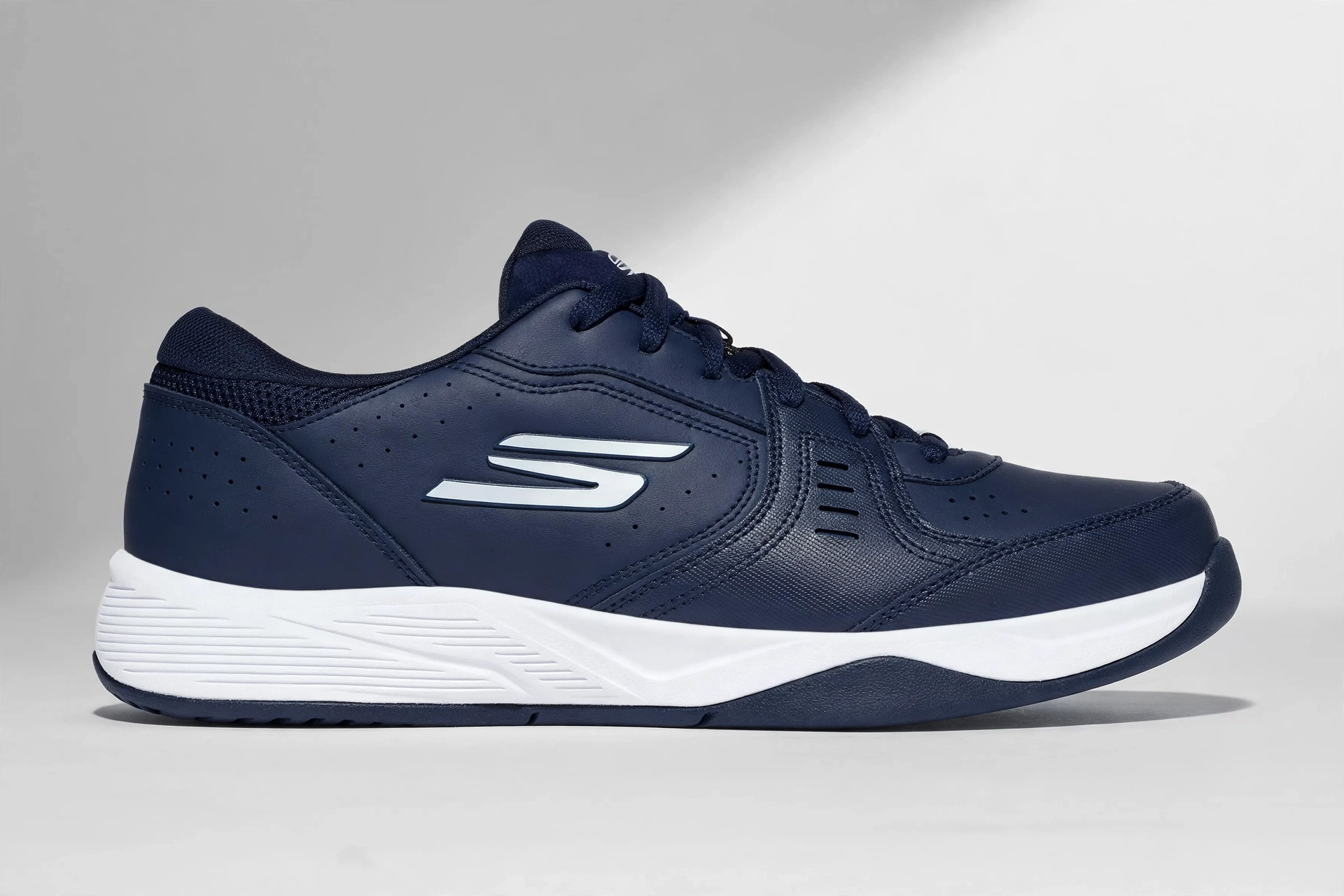
Under $75, and reviewers keep saying it punches above that price. The Relaxed Fit design works for wide feet, the grip is genuinely good, and it's light enough to feel quick. The compromises at this price are durability and premium cushioning. It won't last as long as the $110 options on rough concrete. But as an entry point or a second pair for indoor play, it's the value pick of 2026.
Check price at Road Runner Sports →
Premium pick: New Balance 1006v1
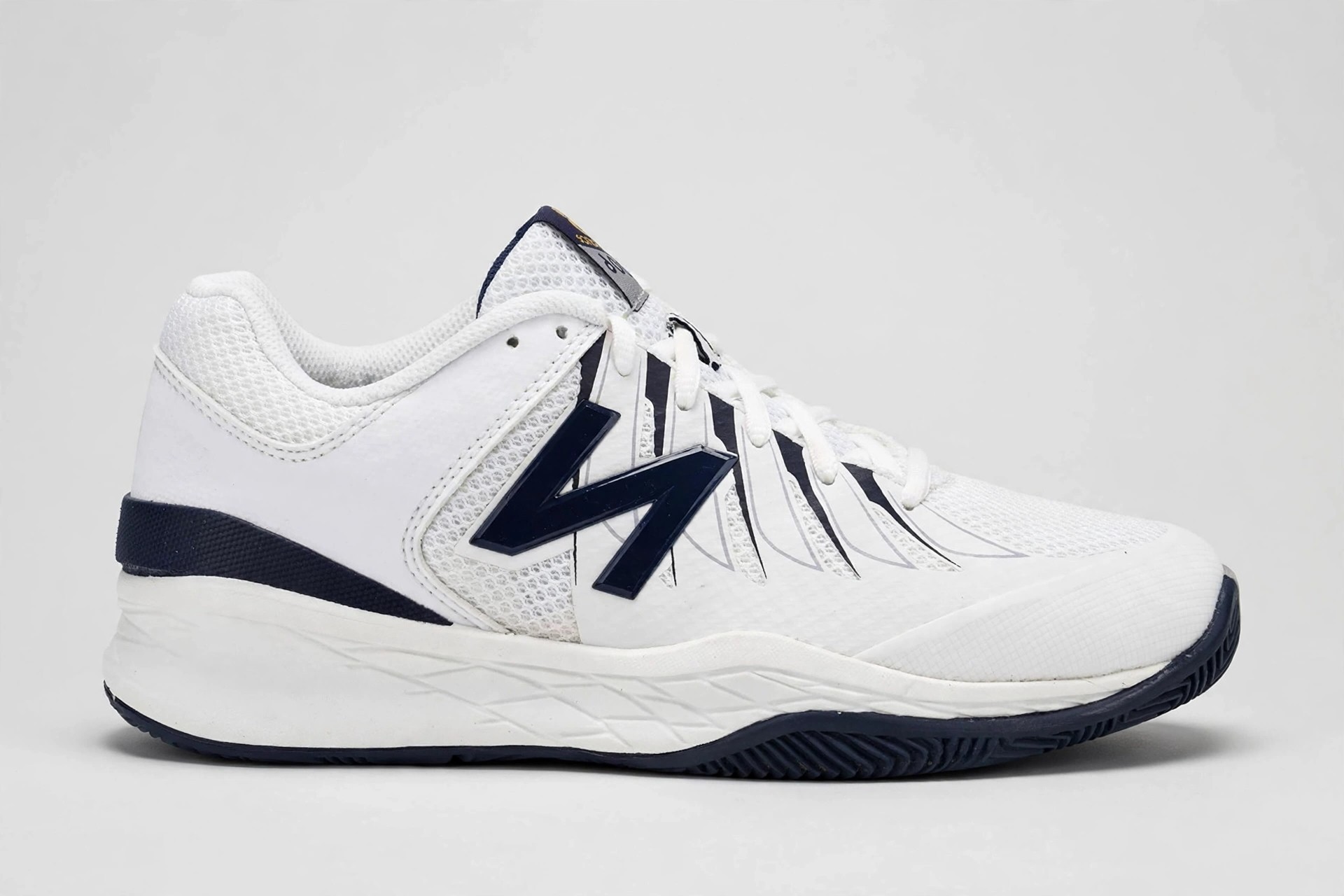
Around $105–130, in wide (D) and extra-wide (2E) widths. This is the tournament-grade option: maximum support, NDurance rubber compound for outsole life, and cushioning built for players who log serious hours. Reviewers position it as the step up from the 806v1 when the budget allows. If you play four-plus times a week and your feet are wide, this is the "buy once, stop thinking about it" shoe.
What I'd actually buy
Since this whole guide started as me shopping for myself: wide feet, currently in heavy tennis shoes, mostly outdoor courts. The Skechers Viper Court Pro 2.0 in wide is the pick that fits the most constraints: roomy, grippy, affordable, and reviewers consistently like it. If the budget stretches, the New Balance 1006v1 in 2E is the upgrade. And if money is tight, the Viper Court Smash gets you 80% of the way there for under $75.
Frequently asked questions
Can I just wear my tennis shoes for pickleball?
You can, and a lot of people do, especially starting out. Tennis shoes have solid lateral support and non-marking outsoles, so they work. But they're built for a bigger court and longer sprints, which usually means heavier shoes with cushioning tuned for forward motion. A court shoe built for pickleball is lighter, grips better on the short lateral moves the game actually demands, and won't chew through your energy by game four. If your knees are already filing complaints, lighter shoes are one of the cheapest upgrades you can make.
What width should I buy if I have wide feet?
Look for shoes sold in multiple widths, not just one 'wide-ish' last. New Balance lists men's widths as D (standard), 2E (wide), and 4E (extra wide). Skechers and ASICS offer select court models in wide (W/2E) versions. If a brand only sells one width and reviewers keep saying it 'runs narrow' (ASICS tennis shoes get this a lot), size up half a size or pick a different model. A toe box that crams your forefoot will end a long session early. You'll feel it on your third game.
How long do pickleball shoes last?
Depends on how often you play and on what. Outdoor asphalt eats outsoles far faster than indoor wood or gym floors. Reviewers generally report 3–6 months of regular outdoor play (3–4 sessions a week) before the tread goes smooth, and up to a year or more for indoor-only play. Two habits that extend life: wipe the soles between sessions to clear dust, and don't wear your court shoes to the parking lot. Pavement is the tread's natural enemy.
Do I need different shoes for indoor vs outdoor pickleball?
Not necessarily, but it helps to know what you're buying. Indoor play rewards non-marking gum-rubber outsoles with herringbone grip for smooth floors. Outdoor play demands harder, more durable rubber compounds that can survive concrete and asphalt. Several models on this list work for both, but if you play exclusively outdoors, prioritize durability features (reinforced toe caps, harder compounds) over pure lightness.
What's the difference between pickleball shoes and volleyball shoes?
They're cousins. Volleyball shoes are built for indoor wood floors, jumping, and lateral slides, so you get great grip and lots of cushioning. Some players swear by them for indoor pickleball. But volleyball shoes aren't designed for outdoor surfaces or the toe-drag abuse pickleball dinks put on the front of the shoe, so the outsole wears fast outside. If you play indoors only, a volleyball shoe can be a sneaky-good option. If you play outdoors, stick with shoes built for it.